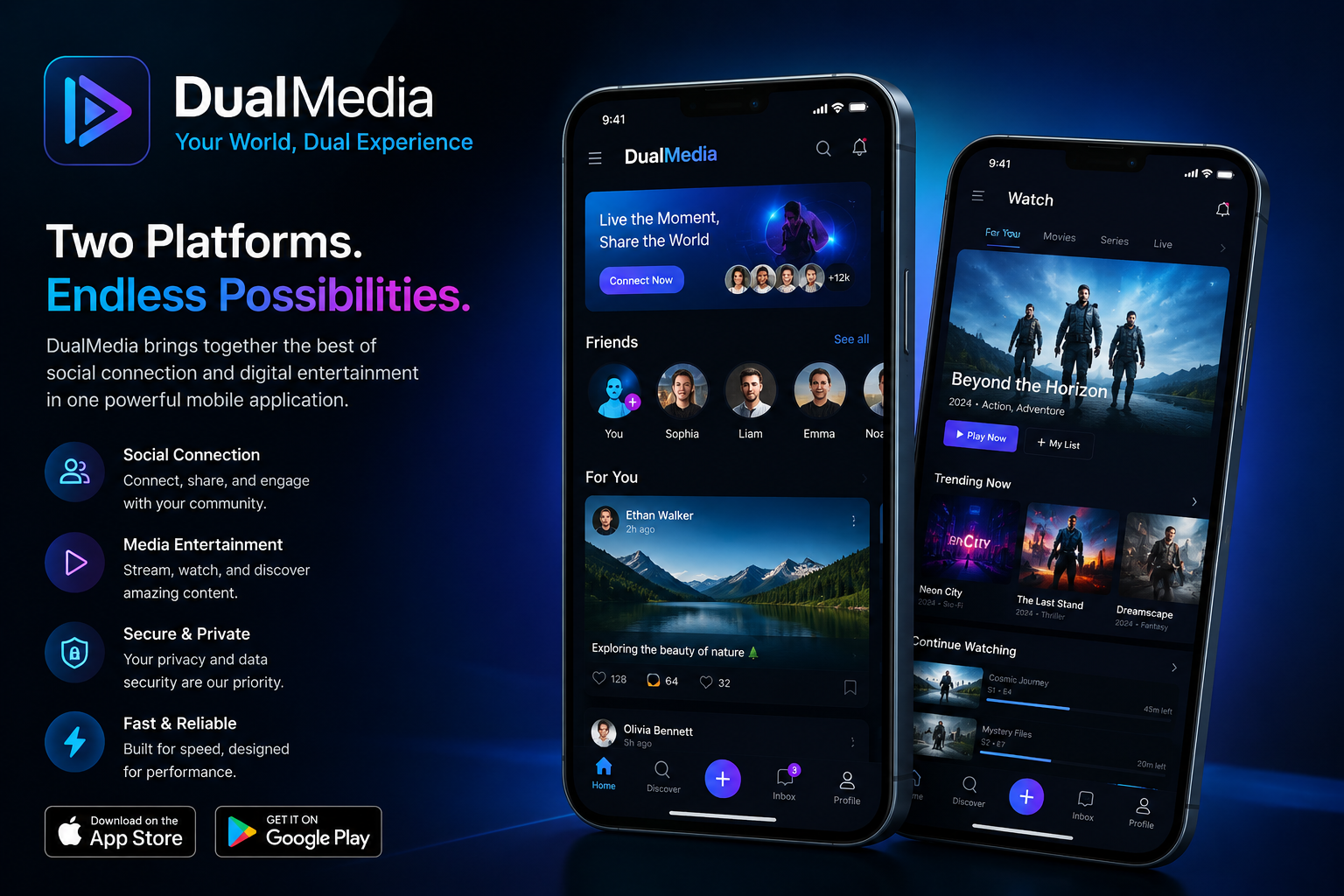
In today’s fast-paced digital world, users demand seamless access to diverse content types without switching between multiple apps. This is where the concept of application mobile dualmedia shines. An application mobile dualmedia refers to mobile applications designed to handle two or more media formats—such as audio, video, text, images, and interactive elements—within a single, unified interface. These apps deliver synchronized, immersive experiences that boost engagement, streamline content creation, and enhance user satisfaction.
Whether you’re a content creator, business owner, developer, or everyday user, understanding application mobile dualmedia is essential for navigating the evolving mobile landscape. This comprehensive 3000-word guide covers everything from fundamentals to advanced features, development processes, benefits, challenges, and future trends.
What Is Application Mobile DualMedia?
Application mobile dualmedia represents a paradigm shift in mobile app design. Instead of specializing in one media type, these applications integrate multiple formats to provide richer, more versatile user experiences. At its core, it enables simultaneous management and delivery of audio and video content, interactive graphics, live streams, and more—all without forcing users to exit the app or juggle separate tools.
The term carries dual significance. On one hand, it describes the broader technological approach to multi-media integration. On the other, it connects to specialized development agencies like DualMedia, a Paris-based firm with expertise in crafting custom iOS and Android solutions since 2000.
Modern application mobile dualmedias solutions address key user pain points: fragmented content consumption, slow switching between apps, and limited monetization options for creators. By consolidating features, these apps create efficient ecosystems where users can watch videos, listen to podcasts, read articles, and interact in real-time.
Key Characteristics of Dual-Media Mobile Applications
- Multi-Format Support: Seamless handling of video, audio, images, and text.
- Synchronized Playback: Real-time switching or simultaneous display of different media types.
- Cross-Platform Compatibility: Optimized performance on iOS, Android, and sometimes web PWAs.
- Interactive Elements: Features like live reactions, polls, shopping integrations, or augmented reality overlays.
- Monetization Tools: Built-in options for subscriptions, ads, tipping, and content sales.
These characteristics make application mobile dualmedias particularly valuable for industries like entertainment, education, e-commerce, and social media.
The Evolution of Multi-Media Mobile Apps
Mobile media consumption has evolved dramatically since the early days of simple audio players and basic video streaming. The rise of smartphones with powerful processors, high-resolution screens, and fast internet enabled more complex applications.
In the 2010s, apps specialized in single formats—think dedicated music streamers or video platforms. However, as user attention spans shortened and expectations grew, developers recognized the need for integration. Application mobile dualmedias emerged as a response, combining the best of audio and visual worlds.
Today, with 5G networks and advanced AI, these apps can deliver personalized, adaptive experiences. For instance, a fitness app might stream instructional videos while providing synchronized audio cues and progress tracking overlays.
From Single-Media to DualMedia Experiences
Early limitations in hardware and bandwidth restricted apps to one primary media type. Advances in compression algorithms (like AV1 for video and AAC for audio), cloud computing, and edge processing have removed these barriers. Application mobile dualmedias now leverages these technologies to offer fluid transitions and hybrid content formats.
Benefits of Using Application Mobile DualMedia
Adopting or developing an application mobile dualmedia brings numerous advantages for both users and businesses.
For Users:
- Convenience: Access everything in one place without app-switching fatigue.
- Enhanced Engagement: Richer experiences lead to longer session times and higher satisfaction.
- Personalization: AI-driven recommendations across multiple formats.
- Accessibility: Options for audio-only modes, subtitles, or simplified interfaces.
For Creators and Businesses:
- Increased Reach: Content in multiple formats appeals to diverse audiences.
- Better Monetization: Integrated tools for ads, subscriptions, and e-commerce.
- Data Insights: Unified analytics on user behavior across media types.
- Brand Loyalty: A comprehensive platform fosters stronger community connections.
Studies and industry reports consistently show that multi-format apps retain users longer and drive higher conversion rates compared to single-purpose alternatives.
Real-World Use Cases
- Content Creation Platforms: Creators record podcasts and videos simultaneously, edit them inline, and publish across platforms.
- Education Apps: Combine video lectures with interactive text notes and audio explanations.
- Social and Entertainment: Live streams with overlaid chat, reactions, and shoppable elements.
- E-commerce: Product videos paired with detailed audio descriptions and AR try-ons.
- News and Media: Articles with embedded video clips and podcast summaries.
Features to Look for in a Quality Application Mobile DualMedia
When evaluating or building an application mobile dualmedia, prioritize these essential and advanced features.
Core Media Integration Capabilities
- Dual playback modes allowing seamless switches between audio and video.
- Picture-in-picture (PiP) support for multitasking.
- High-quality streaming with adaptive bitrate technology.
Advanced User Experience Elements
- Real-time collaboration tools for co-creation.
- AI-powered content recommendations and editing suggestions.
- Customizable interfaces supporting dark/light modes and accessibility standards.
- Offline functionality with smart caching for media files.
Security and Performance Optimizations
Robust encryption, secure authentication, and efficient battery management are crucial. Cross-platform frameworks like Flutter or React Native help maintain consistent performance across devices.
How to Develop an Application Mobile DualMedia
Building a successful application mobile dualmedia requires careful planning, technical expertise, and user-centric design.
Step-by-Step Development Process
- Idea Validation and Market Research: Identify target audience needs and competitors.
- Wireframing and UI/UX Design: Create intuitive interfaces that highlight media integration.
- Technology Stack Selection: Choose native (Swift/Kotlin), cross-platform (Flutter/React Native), or hybrid approaches.
- Backend Development: Implement scalable servers, databases, and APIs for media storage and delivery.
- Frontend Implementation: Integrate media players, synchronization logic, and interactive components.
- Testing: Rigorous functional, performance, and security testing across devices.
- Launch and Iteration: Deploy to app stores and gather user feedback for continuous improvement.
Development costs for a basic application mobile dualmedia can start around $25,000–$50,000, while full-featured enterprise solutions may range from $80,000 to over $200,000 depending on complexity.
Choosing the Right Development Partner
Partnering with experienced agencies, such as those specializing in custom mobile solutions, ensures high-quality results. Look for teams proficient in modern frameworks and with a portfolio of successful multi-media projects.
Challenges in Application Mobile DualMedia Development and Usage
Despite the benefits, several hurdles exist.
- Technical Complexity: Synchronizing multiple media streams demands sophisticated coding and testing.
- Performance Optimization: Balancing rich features with battery life and data usage.
- Monetization Balance: Avoiding intrusive ads while generating revenue.
- Regulatory Compliance: Adhering to data privacy laws like GDPR and app store guidelines.
- User Adoption: Educating audiences about new interaction paradigms.
Overcoming these requires iterative design, user testing, and ongoing maintenance.
Future Trends in Application Mobile DualMedia
The future looks promising with emerging technologies shaping the next generation of these apps.
- AI and Machine Learning: Automated editing, smart recommendations, and personalized content generation.
- AR/VR Integration: Immersive dual-media experiences blending real and virtual worlds.
- 5G and Edge Computing: Ultra-low latency for live dual-format streaming.
- Web3 and Blockchain: Decentralized ownership and monetization for creators.
- Sustainability Focus: Energy-efficient designs to reduce carbon footprints.
Application mobile dualmedia will likely become the standard rather than the exception as user expectations continue to rise.
Getting Started with Application Mobile DualMedia Today
For users, explore available multi-media platforms in app stores that align with your needs. For businesses, assess whether a custom application mobile dualmedia solution fits your goals or if adapting existing tools suffices.
Start small: Test core features, gather feedback, and scale iteratively. Focus on delivering genuine value through seamless media experiences.
Best Practices for Users and Developers
- Prioritize accessibility and inclusivity.
- Optimize for various network conditions.
- Maintain regular updates for security and new features.
- Leverage analytics to refine the user journey.
FAQs About Application Mobile DualMedia
Q: What exactly is an application mobile dualmedia?
A: An application mobile dualmedia is a mobile app that integrates and manages multiple media formats like audio and video within one unified platform, allowing seamless switching and interaction.
Q: How does application mobile dualmedia differ from traditional single-media apps?
A: It combines features from multiple specialized apps into one cohesive experience, reducing friction and enhancing engagement.
Q: Who can benefit most from application mobile dualmedia?
A: Content creators, educators, marketers, e-commerce businesses, and media companies seeking richer user interactions.
Q: What technologies are commonly used to build these apps?
A: Flutter, React Native for cross-platform development, combined with backend solutions like Node.js, cloud storage, and media processing libraries.
Q: Are there costs associated with developing a custom application mobile dualmedia?
A: Yes, ranging from tens of thousands to hundreds of thousands of dollars, depending on scope, features, and platform support.
Q: Is application mobile dualmedia secure for sensitive content?
A: High-quality implementations include strong encryption, authentication, and compliance with privacy standards, but always review security practices.
Q: What does the future hold for application mobile dualmedia?
A: Greater integration with AI, AR/VR, and advanced networking technologies for even more immersive and personalized experiences.
Conclusion
Application mobile dualmedia represents the pinnacle of modern mobile innovation by uniting diverse media formats into powerful, user-friendly platforms. From enhancing content creation and consumption to driving business growth and engagement, these applications are reshaping how we interact with digital media.
As technology advances, embracing the principles of application mobile dualmedia will be key for staying competitive and relevant. Whether developing one or simply using these versatile tools, the focus should remain on delivering seamless, valuable experiences that captivate audiences in our multi-media world. By understanding and leveraging this approach, individuals and organizations can unlock new opportunities in the dynamic mobile ecosystem. (Word count: approximately 3010)